-
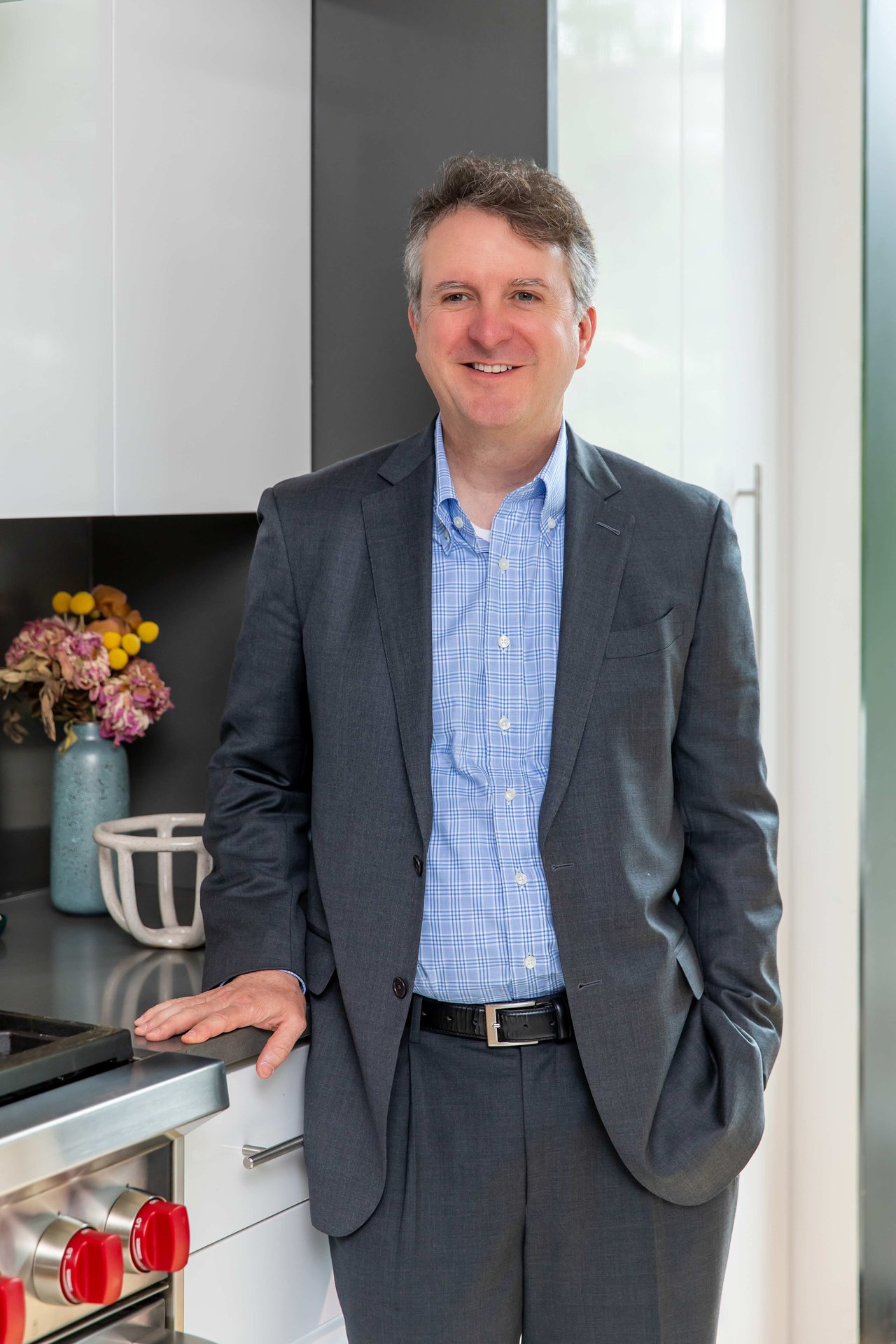
Paul M. Murphy
Licensed Associate Real Estate Broker
Brooklyn Townhouse Specialist
Walk east from Fort Greene Park on a Thursday in July and the sidewalk math changes somewhere around Cambridge Place. The taprooms and coffee-and-a-croissant counters give way to something denser and more particular: a run of small rooms pouring low-intervention wine, plating seafood-forward small plates, and locking their doors after 11 p.m. because the kitchen closed an hour earlier. Six or seven of them, most within a fifteen-minute walk of Pratt's front gate. If you live here, you already know the corridor. What you may not have registered is how thoroughly it has reoriented itself in the last twelve months.
The story of Clinton Hill dining in 2026 is not that new places are showing up. New places are always showing up. The story is that the neighborhood's operators have started exporting concepts to other zip codes rather than the other way around, and the openings that did land here this year came from teams already rooted a few blocks away.
Enough has changed on the ground that a resident who spent the last six months out of town would recognize the streets but misread the menus. A partial accounting, drawn from local coverage:
Read that list twice. The direction is unusual. In most Brooklyn neighborhoods a January-through-April update reads as a list of concepts arriving from Williamsburg or Manhattan. Here, two of the five entries involve Clinton Hill operators moving outward.
The single most useful way to understand what has happened on Lafayette, Greene, and Waverly is to stop reading the restaurants as individual openings and start reading them as one operation with several front doors.
Place des Fêtes, on the Clinton Hill side of Lafayette, comes from Redwood Hospitality, the group behind Oxalis, Laurel Bakery, Cafe Mado, and Golden Ratio. The restaurant's own site describes a program built around natural wines from Catalonia and southwest France with a seafood-leaning small-plates menu. On any given Wednesday it functions as a wine bar with a real kitchen behind it; on Friday it functions as a restaurant with an unusually deep by-the-glass list.
Aita anchors the corner of Vanderbilt and Waverly with an Italian-facing program and a natural-wine-only beverage list, and it runs Mayflower, a walk-in speakeasy tucked into the Waverly side of the same building, as an aperitivi-and-mezcal companion. One dining room, one bar, two front doors, one kitchen line supporting both.
The Fly, from the Hart's and Cervo's team, sits a few blocks south with a menu built around rotisserie chicken and chilled reds. Radio Kwara on Greene Avenue, from the operators of the tasting-menu restaurant Dept. of Culture, pours Nigerian cooking at à la carte prices with a wine shop, Radical, literally across the street for pre-dinner bottle pickup. Entre Nous rounds it out at the French end, three blocks north.
Six rooms. Four operator groups. One beverage philosophy. That is not a coincidence; that is a district finding its consensus.
Corridors reach this density only when the beverage program becomes the shared infrastructure. Once you can walk five doors and drink from a similar cellar at each, the neighborhood stops being a collection of restaurants and starts being a destination in a category. Clinton Hill crossed that line quietly, without a marketing push, sometime in the last two years.
The Choice Brooklyn expansion is easy to file as a small business milestone and move on. It is worth a second read. A cafe at 318 Lafayette that opened as Choice Market in 2005 took a lease at the corner of Broadway and West 70th Street, in a space that until last winter housed Patisserie Chanson. Same block as Lincoln Center's pre-show foot traffic. Sandwiches in the mid-teens, breakfast plates starting at $6.95.
Two facts are doing work here. First, a Clinton Hill operator is now confident enough in its brand equity to underwrite Upper West Side rent. Second, and more useful to a resident, the original stayed open with the same menu. The Lafayette Avenue counter did not get downgraded to a satellite of a Manhattan flagship. It got promoted to flagship of a two-location business, which usually means the original tightens rather than loosens.
The corridor's density is easier to appreciate against what has been lost. Mekelburg's ran a specialty grocery, sandwich counter, and beer bar out of a small storefront on DeKalb for years. When the original closed in early 2025 and the Williamsburg location followed in December, the neighborhood lost its best in-and-out stop for a curated bottle and a pastrami sandwich under one roof. Nothing has replaced that particular hybrid, and nothing on the current corridor pretends to. Place des Fêtes is a restaurant with wine, not a shop with sandwiches. Radical is a shop, not a kitchen.
If you had a Friday-night pattern that ran through Mekelburg's, the corridor did not absorb it. That vacancy is still open, and any 2026 opening large enough to fill it will reshape the block again.
Most residents will read the above as dining news. Owners on Waverly, Cambridge, Clinton, and the DeKalb-facing blocks should read one additional layer.
A dense, walkable food and beverage corridor does specific things to the streets around it. It puts foot traffic on sidewalks after 7 p.m. It brings a nightly cohort of thirty- and forty-year-olds within a five-minute walk of a house they might not have considered otherwise. It creates a shared reference point when someone from Cobble Hill or Park Slope asks what Clinton Hill is like now. The answer used to require a paragraph. Now it fits in three restaurant names.
For legacy owners who have watched the neighborhood cycle through several identities since the 1980s, this iteration is quieter than the mid-2010s wave and more operator-driven than the influx that followed the G train's rediscovery. The buildings themselves have not changed. What is around them has, and in the specific direction of walkable, high-touch, low-volume hospitality. That is the kind of ground-floor economy that tends to compound rather than churn.
If you have out-of-town guests this July and you have not walked the corridor recently, the fastest way to catch up is a loop: a bottle from Radical, a reservation or a bar seat at Place des Fêtes, a nightcap at Mayflower behind the Aita door on Waverly. Ninety minutes, three rooms, one neighborhood's current thesis on how to spend an evening. The Pratt campus, 25 acres of landmarked buildings and public sculpture immediately to the east per NYC Tourism's listing, is a fine post-dinner walk if the weather cooperates.
The neighborhood's dining identity has never been more legible than it is this summer. If you have owned here through the last decade, that legibility is doing quiet work on your block whether you clock it or not.
If you are curious what the last decade of corridor formation has done to values on your specific block of Clinton Hill, Brooklyn Townhouse Report has been tracking Brownstone Brooklyn townhouse comps at the building level since 2010. Request a valuation, or subscribe to the quarterly report to see how this neighborhood is trading against Fort Greene, Bed-Stuy, and Park Slope right now.
Paul M. Murphy
Licensed Associate Real Estate Broker
Brooklyn Townhouse Specialist