-
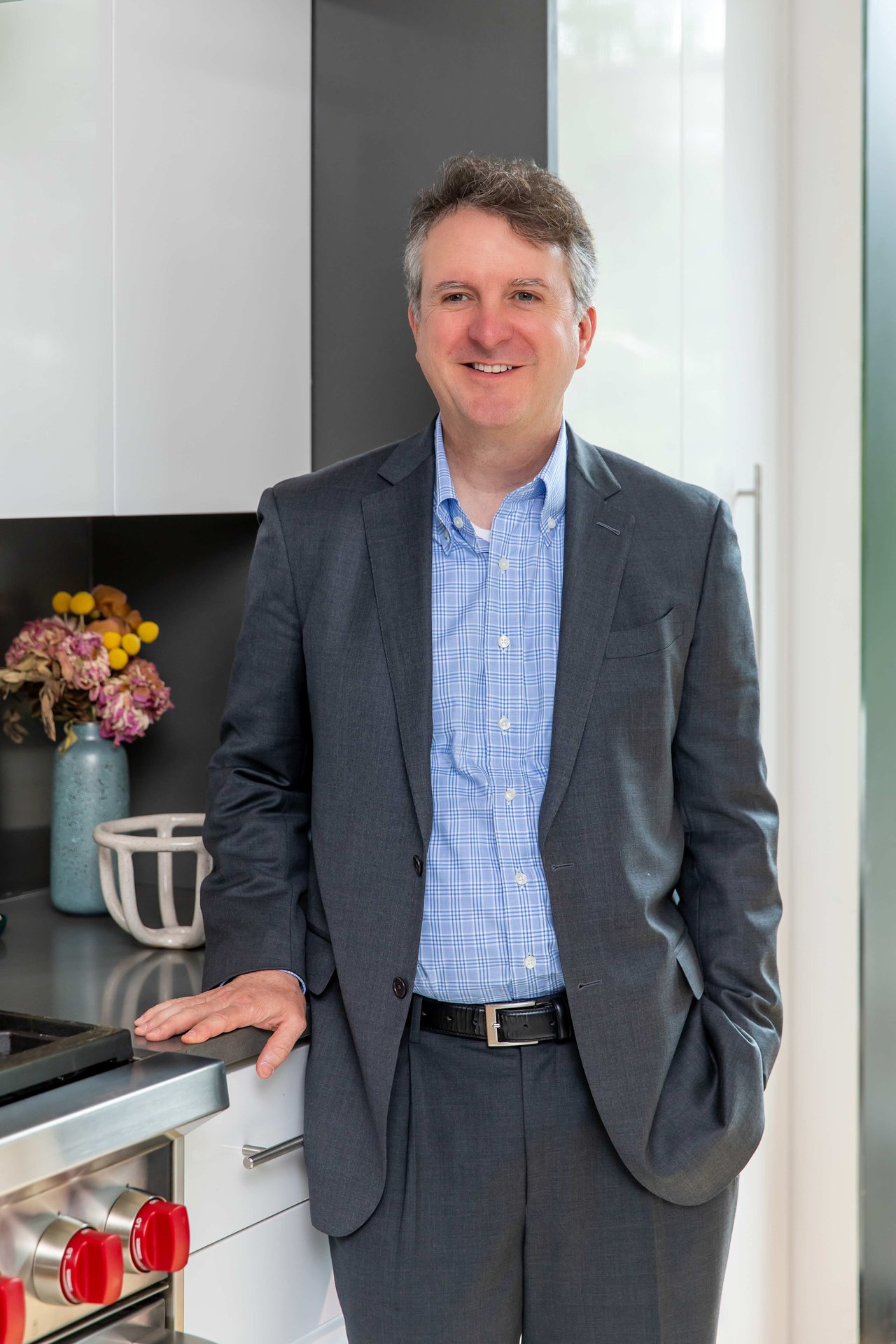
Paul M. Murphy
Licensed Associate Real Estate Broker
Brooklyn Townhouse Specialist
Order a drink at Golden Ratio and there's a decent chance the base spirit started as citrus peels or bread from a sister kitchen in the same ownership group. The bar at 216½ Greene Avenue, which opened November 26, 2025, runs its cocktail program on citrus peels from Place des Fêtes at 212 Greene and day-old loaves from Laurel Bakery, both siblings under the same ownership group. Beverage director Piper Kristensen described his approach to the raw material to Time Out simply: "if you can smell it, you can distill it." The bar's partner distiller, Joe McDowell at Acid Spirits, turns those kitchen trimmings into proprietary spirits and non-alcoholic distillates for the menu, a closed loop that keeps the ingredients in use.
That's an unusual way to build a bar, and it's only one of three things happening on this small stretch of Clinton Hill right now. A few doors down, a completely unrelated business opened around the same time for reasons that have nothing to do with food waste or neighborhood sourcing. A few blocks over on Lafayette Avenue, a twenty-year-old Clinton Hill institution just did the opposite of settling in: it opened a second location. Together these three moves describe a commercial corridor that's mature enough to feed on itself, attractive enough to import ideas from other cities, and established enough to export its own name elsewhere.
Golden Ratio didn't appear out of nowhere. It's the newest project from Redwood Hospitality, the same team behind Café Mado, Place des Fêtes, Laurel Bakery, and the Michelin-starred Oxalis. Those businesses were already operating before Golden Ratio opened, which is what makes the sourcing model possible in practice and not just in concept. The cocktail list changes with the seasons, and each ingredient gets both a spirited and a non-alcoholic interpretation, so a purple shiso cocktail built with citrus leaf distillate sits on the menu next to a sparkling, alcohol-free version made from shiso stems and the same bread-based water distillates. Kristensen makes some of these using a rotary evaporator, a piece of equipment more associated with a lab than a bar, to pull flavor out of ingredients at low temperatures.
The bar seats around 60, mixes reservations with a large block held for walk-ins, and fills its shelves with secondhand furniture rather than anything ordered new. None of that is incidental. The pitch is a bar whose supply chain runs through the group's own kitchens and a local distiller. Redwood didn't need to find new vendors for Golden Ratio. It put to use what its other kitchens already had on hand.
Two doors down at 222 Greene Avenue, Athena Keke's opened at the end of 2025 with a completely different origin story. Co-founders Claudia Capriles and Alexandra Murray met working the floor and kitchen at an East Village restaurant back in 2015. The idea for a bar came years later and somewhere else entirely, during a trip to New Orleans around the 2019 Women's World Cup, when the two struggled to find anywhere showing matches that didn't involve the U.S. national team. Rather than opening cold, they spent close to three years running pop-up watch parties across Brooklyn, building a following before they ever signed a lease. By the time Athena Keke's had a physical address, it already had a customer base that knew the name.
The bar, named for the founders' tabby cat, describes itself as reimagining the sports bar format rather than replicating it. Murray described the concept to What Now as "a New York cocktail bar meets a sports bar," and the menu backs that up with Bolivian-inspired snacks like cuñapés alongside cocktails such as the Bodega Sammie, a pepperoncini vodka martini. It's part of the NY Liberty Bar Network, meaning it functions as an official gathering spot during Liberty games in addition to screening women's soccer, basketball, and other sports that don't always get television real estate elsewhere.
What makes Athena Keke's a different kind of arrival than Golden Ratio is that it didn't grow out of anything already standing on Greene Avenue. It answered a gap its founders had personally experienced in a different city, refined the idea through years of temporary events, and then chose Clinton Hill as the place to make it permanent. The bar isn't feeding on the neighborhood's existing food economy. It imported a concept that had nowhere else to land and found room for it here.
While two new concepts were filling in Greene Avenue, an older Clinton Hill business was moving in the opposite direction entirely. As Hoodline reported, Choice Brooklyn has anchored Lafayette Avenue since 2005, when it opened as Choice Market on the Clinton Hill and Bed-Stuy border. The recipes trace back to a family farm in Lot-et-Garonne in southwestern France, and the cafe has spent close to two decades building a following around house-baked pastries, espresso, and made-to-order sandwiches served from breakfast through dinner.
In April 2026, that same family quietly opened a second Choice Brooklyn location across the river, at 2040 Broadway and West 70th Street on the Upper West Side, putting the brand within walking distance of Lincoln Center and its pre-show crowds. The new shop runs the full Clinton Hill menu, from breakfast items priced around $4.95 to sandwiches and paninis in the mid-teens, and the original Lafayette Avenue location remains open and unchanged. Choice Brooklyn isn't leaving the neighborhood. Its new location puts a Clinton Hill business in Manhattan, alongside Golden Ratio's recycling model and Athena Keke's imported concept.
None of this happens without turnover, and Clinton Hill had some of that too. Moo Burger, a fixture for burger orders in the neighborhood, closed this past January after 15 years in business. Mekelburg's, the specialty grocery known for babka, bread, sandwiches, and its beer selection, had already closed its original Clinton Hill location about a year before the business shut its remaining Williamsburg outpost too, in December 2025.
Neither closure is the direct cause of what opened on Greene Avenue or Lafayette Avenue. But a commercial strip only has so many storefronts, and a business that closes after a decade and a half or a grocer that exits after building a loyal following both free up something more than square footage. They free up the assumption that a corridor's mix is fixed. Clinton Hill's food and drink scene has seen two long-standing names close at different times and gained a cocktail bar that reuses its sister kitchens' trimmings, a sports bar built from a personal search that started in another city, and a cafe that opened a second location in Manhattan.
That's a lot of movement for a few blocks, and it's happening in four directions at once rather than one obvious trend. A resident walking from Lafayette to Greene this fall is passing a version of the neighborhood's food economy that is simultaneously recycling itself, importing ideas, exporting its own name, and still making room by losing things that mattered.
Clinton Hill's ground-floor businesses shift block by block and year by year, and the brownstones sitting above them absorb that turnover in ways that show up later, in what a corner is worth and what buyers expect from it. Brooklyn Townhouse Report tracks that kind of change alongside the building-level research Paul Murphy publishes each quarter. If you're curious what's worth knowing about a Clinton Hill townhouse specifically, reach out and ask.
Paul M. Murphy
Licensed Associate Real Estate Broker
Brooklyn Townhouse Specialist